Ekadashi Fast Dates: Your Ultimate Guide to Observing This Sacred Vrat
Ekadashi Fast Dates: Your Ultimate Guide to Observing This Sacred Vrat...
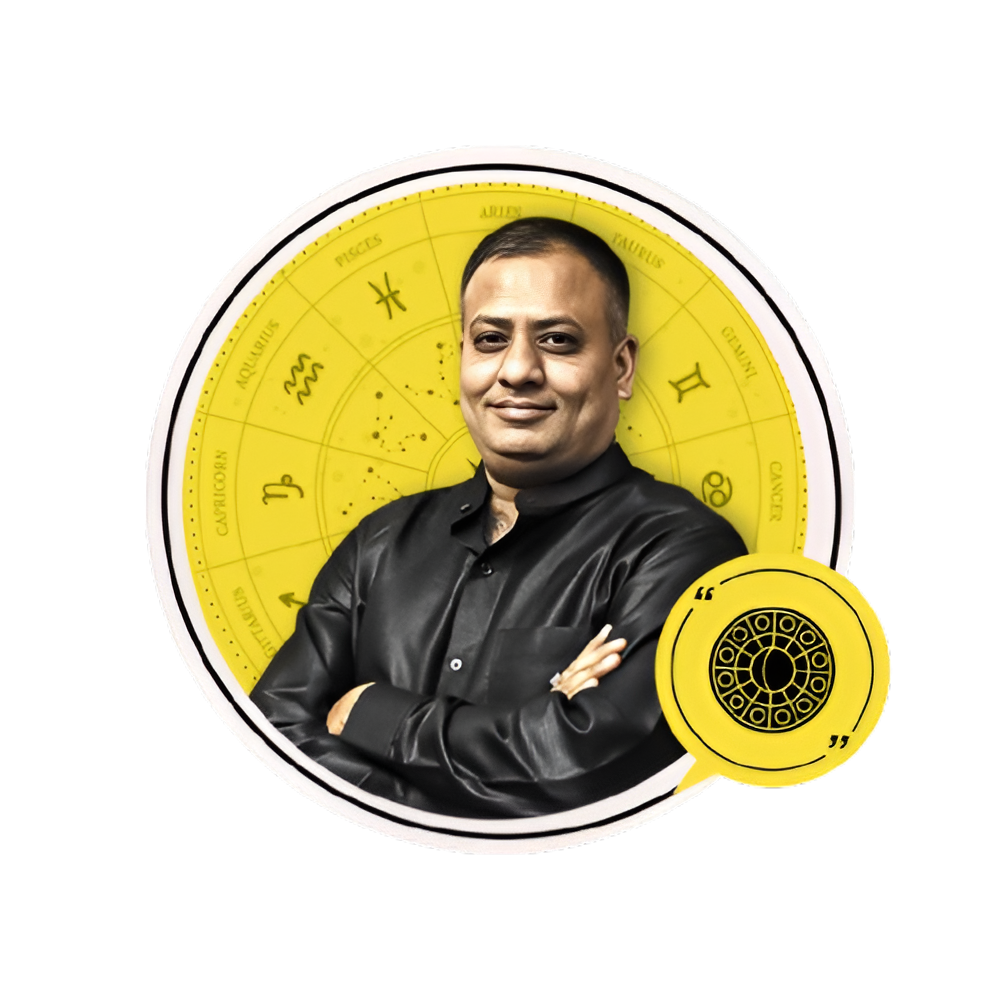
Ekadashi Fast Dates: Your Ultimate Guide to Observing This Sacred Vrat
Namaste, my dear spiritual seeker! As an astrologer and a humble guide on this journey of life, I often find myself immersed in the profound wisdom of our ancient traditions. Among the many spiritual practices, one stands out with immense significance and widespread observance: the Ekadashi fast. It’s a day dedicated to Lord Vishnu, a day of purification, reflection, and immense spiritual merit.
You’ve likely heard about Ekadashi, perhaps even observed it. But have you ever wondered about its deeper meaning, its precise timing, or the subtle nuances that can enhance your vrat’s efficacy? The most common question I receive is, “Ekadashi fast kab rakhen?” – When should one observe the Ekadashi fast? It’s a crucial question, for the timing is everything in spiritual practices rooted in the cosmic rhythms.
In this comprehensive guide, I invite you to join me on a journey to unravel the mysteries and practicalities of Ekadashi. We’ll explore not just the dates, but the 'why' and 'how,' ensuring your observance is not just a ritual, but a deeply transformative experience. So, let’s begin!
Understanding Ekadashi: A Cosmic Alignment
The word "Ekadashi" literally means "eleventh" in Sanskrit, referring to the eleventh day of each lunar fortnight. According to the Hindu lunar calendar, a month has two fortnights: the Shukla Paksha (waxing moon period) and the Krishna Paksha (waning moon period). Thus, there are two Ekadashis in every lunar month, making for approximately 24 Ekadashis in a regular year, sometimes 26 in an intercalary year (Adhik Maas).
The Astrological and Spiritual Significance
From an astrological perspective, the Moon plays a pivotal role in our emotions, mind, and even our physical well-being. The lunar phases significantly influence the Earth and its inhabitants. Ekadashi, being the eleventh day from the New Moon or Full Moon, is considered a highly auspicious time when the Moon’s influence is conducive to spiritual practices. It’s believed that on this day, the negative influences of the planetary energies are minimized, making it easier to connect with higher consciousness.
Spiritually, Ekadashi is primarily dedicated to Lord Vishnu, the preserver of the universe. Legend has it that the demon Mura, who tormented the gods, was vanquished by Ekadashi Devi, a divine feminine energy that emerged from Lord Vishnu himself. Pleased with her, Vishnu declared that anyone who fasts on Ekadashi would be freed from sins and attain salvation. It’s a day to remember our divine connection, purify our mind, body, and soul, and seek blessings for material and spiritual prosperity.
Ayurvedic and Scientific Insights
Beyond the spiritual, there’s a profound scientific and Ayurvedic wisdom embedded in the Ekadashi fast. Our ancestors understood the human body's connection to cosmic cycles. Fasting on Ekadashi gives our digestive system a much-needed rest. Ayurveda suggests that on Ekadashi, the gravitational pull of the moon slightly affects the fluids in our body, including the digestive juices. A lighter diet or fasting helps in detoxification, improves digestion, and rejuvenates the body’s cells. It’s a natural cleanse that promotes physical health, mental clarity, and emotional balance.
Ekadashi Fast Kab Rakhen: Pinpointing the Dates
Now, let's address the most crucial question: when should you observe the Ekadashi fast? Determining the precise Ekadashi dates requires careful consultation of the Panchang (the traditional Hindu calendar). The dates are not fixed according to the Gregorian calendar but fluctuate based on the lunar calendar.
How to Find Accurate Ekadashi Dates
- Consult a Reliable Panchang: This is the most authentic source. Many regional Panchangs are available, often specifying local sunrise and sunset times, which are crucial for Parana (breaking the fast).
- Astrology Websites/Apps: Numerous reputable astrology websites (like abhisheksoni.in) and mobile applications provide accurate Ekadashi dates, often with specific timings for Parana. Ensure you select your correct location for precise calculations.
- Local Temples: Many temples publish calendars with Ekadashi dates.
It's important to remember that Ekadashi tithi (lunar day) can sometimes span across two Gregorian calendar days. The general rule for observing the fast is when the Ekadashi tithi begins before sunrise and ends after sunrise the next day. However, there are nuances:
- Smarta Ekadashi vs. Vaishnava Ekadashi: Sometimes, due to the sunrise rule, there can be a slight difference in observance dates between Smarta (those who follow Vedic rituals generally) and Vaishnava (devotees of Lord Vishnu specifically). Vaishnavas often follow a strict rule based on the Dashami (10th day) tithi. For most general observers, following the common astrological calendar is sufficient.
- Ekadashi Vridhi/Kshaya: Occasionally, an Ekadashi tithi might be very short (Kshaya) or very long (Vridhi), leading to complex calculations. This is why relying on a trusted Panchang or astrologer is vital.
Special Ekadashis: A Glimpse into Their Power
While every Ekadashi holds immense merit, some are considered particularly potent due to their unique spiritual stories and specific blessings:
- Nirjala Ekadashi: Often considered the most rigorous, observed without water. It falls in the summer months (Jyeshtha Shukla Paksha) and is believed to bestow the merit of all 24 Ekadashis.
- Mokshada Ekadashi: Falling in the Margashirsha Shukla Paksha, it is believed to grant liberation (moksha) from the cycle of birth and death. The Bhagavad Gita Jayanti also falls on this day.
- Putrada Ekadashi: Observed by couples seeking progeny, especially a son. It occurs twice a year, once in Shukla Paksha of Pausha and again in Shravana.
- Devshayani Ekadashi: Marks the beginning of Chaturmas, a four-month period when Lord Vishnu is believed to rest.
- Devuthani Ekadashi: Marks the end of Chaturmas, when Lord Vishnu awakens. Auspicious events like marriages often begin after this day.
- Papmochani Ekadashi: As the name suggests ("Papmochani" means "one who frees from sins"), this Ekadashi is observed to absolve one of past misdeeds.
Understanding these distinctions can help you align your intentions with the specific energies of each Ekadashi.
The Fasting Process (Vrat Vidhi): How to Observe
Observing Ekadashi is more than just abstaining from food. It’s a holistic practice involving physical, mental, and spiritual discipline. Here's a general guide:
1. Preparations (Dashami – The Day Before)
- Light Meal: On the Dashami day (the 10th day), eat a light, sattvic (pure and wholesome) meal. Avoid heavy, non-vegetarian, or intoxicating foods.
- Early Dinner: Finish your dinner before sunset to prepare your digestive system.
- Cleanse: Physically cleanse yourself and your puja area.
- Sankalpa (Intention): Mentally prepare yourself and take a firm resolve (sankalpa) to observe the fast with devotion.
2. The Ekadashi Day (The Fast Itself)
- Wake Up Early: Rise before sunrise, bathe, and wear clean clothes.
- Puja and Prayers: Offer prayers to Lord Vishnu. Light a lamp (diya), offer incense, flowers, and fruits. Chant Vishnu mantras like "Om Namo Bhagavate Vasudevaya" or the Vishnu Sahasranama.
- Types of Fasting:
- Nirjala Vrat (Waterless Fast): The most stringent, no food or water from sunrise on Ekadashi until sunrise on Dwadashi. Only for those in excellent health.
- Phalahar Vrat (Fruit Fast): Consume only fruits, water, and milk products.
- Partial Fast: Avoid grains (rice, wheat, pulses), beans, and certain vegetables. You can consume specific Ekadashi-friendly foods like sabudana (tapioca pearls), kuttu (buckwheat), singhara atta (water chestnut flour), fruits, nuts, and dairy products.
- Simple Vrat: If full fasting is not possible, simply avoid rice and non-vegetarian food, and focus on prayer and meditation.
- Stay Engaged Spiritually: Spend the day in spiritual activities – reading scriptures (Bhagavad Gita, Vishnu Purana), chanting, meditation, listening to devotional music, or visiting a temple. Avoid gossip, anger, and negative thoughts.
- Sleep: Avoid sleeping during the day on Ekadashi.
3. Parana (Breaking the Fast – Dwadashi Day)
Parana is the most critical part of the Ekadashi vrat. It refers to the specific time window on the Dwadashi (12th day) when the fast must be broken. Breaking the fast too early or too late can diminish the benefits of the vrat. The Parana period is usually a few hours after sunrise on Dwadashi.
- Check Parana Timings: Always check the precise Parana timings for your location from a reliable Panchang.
- Offer Prayers: Before breaking the fast, offer prayers to Lord Vishnu once again.
- Break with Grains: Traditionally, the fast is broken by consuming a small amount of cooked grains, preferably rice. You can also start with a piece of fruit or a sip of water, followed by a light, sattvic meal.
- Avoid Heavy Meals: Do not immediately indulge in a heavy meal. Gradually reintroduce food to your system.
Important Note: If for some reason you cannot observe the Parana within the prescribed time, you can break your fast by consuming water and then have your meal later, though observing the precise window is ideal.
Who Should Fast and Who Shouldn't: Practical Insights
While Ekadashi vrat is highly recommended, it’s essential to approach it with wisdom and practicality. Our tradition emphasizes compassion and self-awareness.
Who Can Observe?
- Most healthy adults.
- Individuals seeking spiritual purification, mental clarity, and divine blessings.
- Those wishing to improve physical health through detoxification.
Who Should Be Cautious or Avoid Full Fasting?
- Children: Young children should generally not fast. They can observe by avoiding grains or non-vegetarian food, focusing on prayers.
- Elderly: Seniors, especially those with health conditions, should avoid rigorous fasting. A partial fast or simply abstaining from grains is more appropriate.
- Pregnant and Lactating Women: Fasting can be detrimental to both mother and child. They should prioritize health and opt for light meals, fruits, and increased prayers.
- Individuals with Medical Conditions: Diabetics, those with heart conditions, low blood pressure, ulcers, or any chronic illness should consult their doctor before fasting. Your health is paramount.
- Those on Medication: If you need to take medicines, especially those that require food intake, do not compromise your health for the fast.
Remedy for Those Who Cannot Fast: If you fall into any of the above categories or cannot fast for any reason, don't despair! You can still accrue benefits:
- Observe a Partial Fast: Avoid grains and non-vegetarian food. Stick to fruits, milk, and Ekadashi-friendly items.
- Intensify Prayers: Dedicate more time to chanting, meditation, reading scriptures, and visiting temples.
- Perform Seva (Service): Engage in acts of selfless service, especially to those in need.
- Listen to Kirtan/Bhajans: Immerse yourself in devotional music dedicated to Lord Vishnu.
- Offerings: Offer fruits, flowers, or sweets to Lord Vishnu.
The true spirit of Ekadashi lies in devotion and purification of the mind, not just physical austerity.
Common Challenges and Remedies
Observing Ekadashi can sometimes present challenges. Here are a few and how to address them:
1. Feeling Weak or Hungry
- Remedy: If doing a partial fast, ensure you consume enough Ekadashi-friendly foods (fruits, milk, nuts, specific flours) to sustain your energy. For Nirjala, remind yourself of the spiritual goal. Hydrate well the day before.
2. Forgetting a Fast or Making a Mistake
- Remedy: Don't be disheartened. If you forget to fast, you can try to observe the very next Ekadashi with extra devotion. If you accidentally consume forbidden food, offer an apology to Lord Vishnu, continue the fast as best you can, and resolve to be more careful next time. The Lord sees your intention.
3. Difficulty with Parana Timings
- Remedy: Use reliable apps or websites that provide local Parana timings. Set alarms. If you miss the precise window, break your fast with water and then have a light meal.
4. Social Situations or Travel
- Remedy: Inform friends or family in advance about your fast. If traveling, pack appropriate Ekadashi-friendly snacks. If a social event makes full fasting impossible, observe a partial fast or focus on mental fasting and prayers.
The Deeper Meaning of Ekadashi: Beyond the Ritual
While the rituals and rules are important, it’s crucial not to lose sight of the profound spiritual essence of Ekadashi. This day is a powerful opportunity for:
- Self-Discipline (Tapasya): Fasting trains the mind to control desires and impulses, strengthening your willpower.
- Detachment: By consciously abstaining from worldly pleasures (food, entertainment), we practice detachment, realizing that true happiness comes from within.
- Mindfulness: The focus required for fasting and prayer brings us into the present moment, enhancing mindfulness.
- Bhakti (Devotion): It’s a day to deepen your love and connection with the Divine, specifically Lord Vishnu. Chanting His names, meditating on His forms, and listening to His glories fills the heart with devotion.
- Karma Purification: It is believed that observing Ekadashi sincerely can help cleanse accumulated negative karma, paving the way for a more harmonious life.
- Spiritual Growth: Consistent observance of Ekadashi cultivates inner peace, clarity, and spiritual progress, guiding you towards your highest self.
As your astrologer, I always emphasize that astrology is not just about predictions; it's about understanding cosmic influences to live a more harmonious and purposeful life. Observing Ekadashi, aligning yourself with the lunar rhythms and the energies of Lord Vishnu, is a powerful way to harness these influences for your spiritual benefit.
My personal experience and observations have shown that those who consistently observe Ekadashi with devotion experience noticeable positive changes – increased mental peace, better health, and a stronger spiritual connection. It's a small sacrifice with immense returns.
So, dear friend, as you look for the next Ekadashi fast date, remember it's an invitation to a deeper connection. May your journey be filled with divine blessings and profound spiritual insights. For more guidance on specific dates, remedies, or astrological insights, feel free to explore abhisheksoni.in. Your spiritual well-being is my utmost priority.