This Month's Ekadashi 2024: Exact Date, Vrat Significance, and Benefits
This Month's Ekadashi 2024: Exact Date, Vrat Significance, and Benefits...
This Month's Ekadashi 2024: Exact Date, Vrat Significance, and Benefits
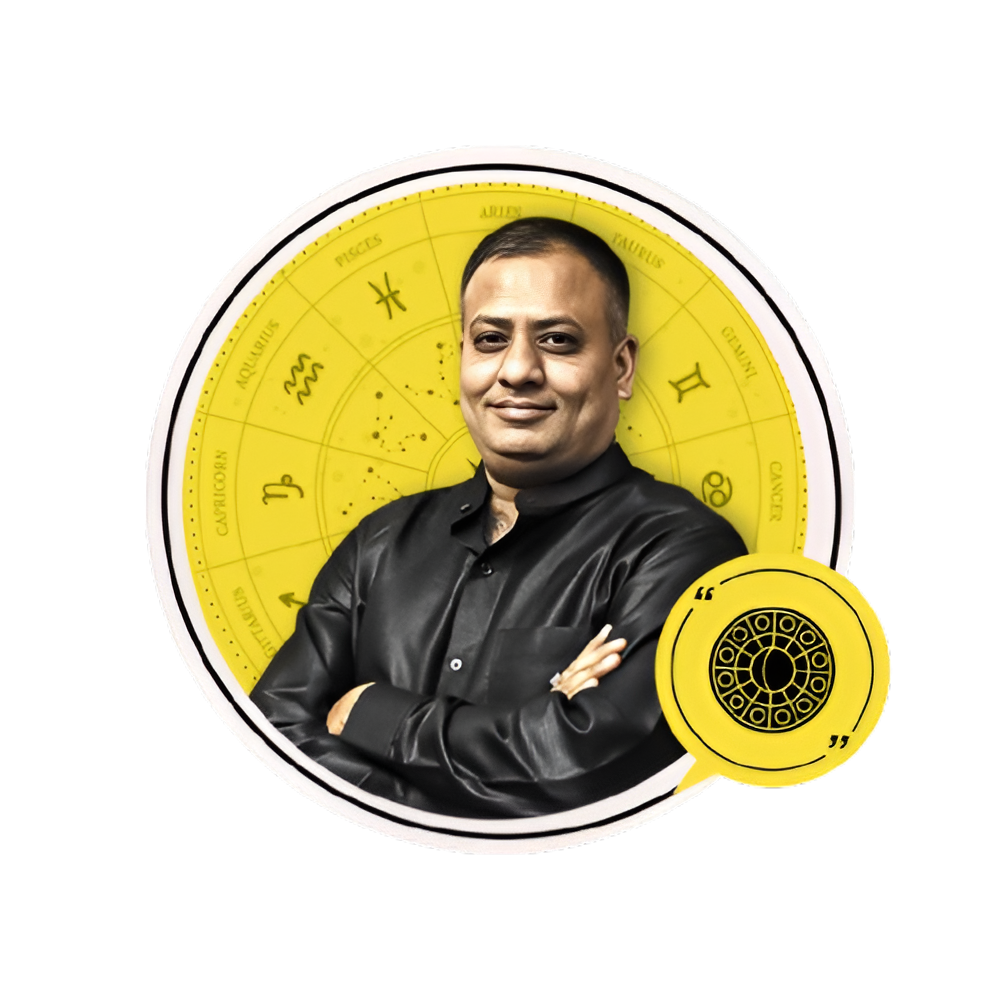
Hari Om! My dear friends and spiritual seekers, I am Abhishek Soni, and it brings me immense joy to connect with you through this sacred space. As an astrologer and a humble student of ancient Vedic wisdom, I often receive questions from earnest devotees like you, eagerly asking, "Is Mahine Ekadashi Kab Hai?" – a query that highlights the deep reverence we hold for this auspicious day.
Ekadashi, the eleventh lunar day of each fortnight in the Hindu calendar, is not just another date on the almanac. It's a powerful cosmic window, a divine opportunity to cleanse our minds, bodies, and souls, and to draw closer to the Supreme Lord Vishnu. For centuries, our ancestors have observed this sacred fast, understanding its profound spiritual and astrological significance. It's a day when the energies are perfectly aligned for introspection, devotion, and purification.
In this comprehensive guide, I will delve deep into everything you need to know about Ekadashi. We'll uncover the exact dates for this month's Ekadashis in 2024, explore the rich tapestry of its significance, understand the manifold benefits – spiritual, physical, and astrological – and provide practical insights on how to observe this powerful vrat (fast) effectively. So, let’s embark on this enlightening journey together!
Is Mahine Ekadashi Kab Hai? This Month's Exact Ekadashi Date
One of the most frequently asked questions, understandably, is about the precise timing of Ekadashi. The dates, as you know, fluctuate with the lunar cycle, occurring twice a month – once during the Shukla Paksha (waxing moon fortnight) and once during the Krishna Paksha (waning moon fortnight). Each Ekadashi also carries a unique name and specific spiritual significance, often tied to a particular deity or a mythological event.
For the purpose of providing a concrete example, let's look at the dates for May 2024. Please remember that these dates shift every month, so always consult a reliable Panchang or calendar for the specific month you are interested in.
This Month's Ekadashi Dates (Example: May 2024)
- Varuthini Ekadashi (Krishna Paksha): This Ekadashi falls on the Krishna Paksha (dark fortnight) in the month of Vaishakha.
- Date of Vrat (Fasting): Saturday, May 4, 2024
- Ekadashi Tithi Begins: 11:24 PM on May 03, 2024
- Ekadashi Tithi Ends: 08:38 PM on May 04, 2024
- Parana (Breaking Fast) Time: On May 5, 2024, between 05:40 AM and 08:19 AM (local sunrise dependant)
Observing Varuthini Ekadashi is believed to bestow good fortune, spiritual merit, and relief from karmic burdens. It is especially significant for those seeking liberation and prosperity.
- Mohini Ekadashi (Shukla Paksha): This Ekadashi falls on the Shukla Paksha (bright fortnight) in the month of Vaishakha.
- Date of Vrat (Fasting): Saturday, May 18, 2024
- Ekadashi Tithi Begins: 02:49 AM on May 18, 2024
- Ekadashi Tithi Ends: 01:23 AM on May 19, 2024
- Parana (Breaking Fast) Time: On May 19, 2024, between 05:38 AM and 08:18 AM (local sunrise dependant)
Mohini Ekadashi is particularly powerful, commemorating the time when Lord Vishnu took the form of Mohini to distribute the pot of nectar (Amrita) to the Devatas. Fasting on this day is said to remove delusions, cleanse sins, and lead one towards the path of righteousness and salvation.
Always remember to verify the exact Parana (breaking fast) timing for your specific location, as it is crucial for a complete and fruitful Ekadashi vrat. The duration of the Tithi (lunar day) can vary slightly based on geographical location and specific panchang calculations.
Understanding the Sacred Significance of Ekadashi Vrat
The practice of observing Ekadashi vrat dates back to ancient times, deeply rooted in Hindu mythology and spiritual science. Its significance transcends mere fasting; it is a holistic approach to spiritual elevation and self-purification.
The Legend of Ekadashi Devi
According to the Skanda Purana, Ekadashi Devi emerged from Lord Vishnu himself to defeat the demon Mura. Pleased with her prowess and devotion, Lord Vishnu granted her a boon: whoever fasts on this day will be freed from their sins and attain Vaikuntha (Lord Vishnu's abode). This legend underscores the direct connection between Ekadashi and the grace of Lord Vishnu.
Spiritual Cleansing and Cosmic Alignment
Ekadashi falls on the eleventh day of the lunar cycle, a period when the Moon's gravitational pull on the Earth is particularly strong. This pull affects not just the tides, but also the fluids within our bodies and minds. Vedic wisdom suggests that during Ekadashi, our bodies are more receptive to spiritual energies and less burdened by physical desires. Fasting helps in detaching from material pursuits, allowing the mind to focus entirely on the divine.
It's a day for introspection, meditation, chanting, and prayer. By abstaining from grains and heavy foods, we lighten our digestive load, which in turn leads to a clearer, more focused mind, making it easier to connect with our inner self and the divine.
The Profound Benefits of Observing Ekadashi Fast
The benefits of observing Ekadashi are multi-faceted, touching upon our spiritual, physical, and even astrological well-being. It’s a complete package for holistic upliftment.
Spiritual Benefits
- Attaining Lord Vishnu's Grace: This is the foremost benefit. Devotees believe that fasting on Ekadashi pleases Lord Vishnu, leading to His divine blessings and protection.
- Purification of Mind and Soul: The vrat helps cleanse accumulated sins (karma) from this life and past lives, purifying the subtle body and mind.
- Accumulation of Punya (Merit): Observing Ekadashi with sincerity and devotion generates immense spiritual merit, paving the way for a better future and spiritual growth.
- Release from Karmic Burdens: It acts as a potent remedy for mitigating negative karmic influences and breaking cycles of suffering.
- Attainment of Desired Outcomes: Many believe that sincere observance of Ekadashi can fulfill righteous desires, bringing peace, prosperity, good health, and ultimately, moksha (liberation).
- Strengthening Faith and Devotion: The discipline of the fast strengthens one's resolve and deepens their faith in the divine.
Health Benefits
Beyond the spiritual, Ekadashi fasting offers remarkable physical and mental health advantages, recognized even by modern science:
- Detoxification: Abstaining from solid foods, especially grains, gives the digestive system a much-needed rest. This allows the body to focus its energy on cleansing and repairing cells, leading to natural detoxification.
- Improved Metabolism: Intermittent fasting, which Ekadashi essentially is, has been shown to improve insulin sensitivity, aid in weight management, and boost metabolic health.
- Enhanced Mental Clarity and Focus: A lighter digestive system means more energy is available for brain function. Many devotees report increased mental alertness, clarity, and focus during and after the fast.
- Strengthening Willpower and Self-Discipline: Successfully completing the fast builds mental resilience, self-control, and willpower, qualities beneficial in all aspects of life.
- Rest for Digestive Organs: Our digestive organs work tirelessly. Ekadashi provides them a periodic break, promoting their longevity and efficient functioning.
Astrological Benefits
From an astrological perspective, Ekadashi holds immense power, especially in harmonizing planetary influences:
- Strengthening the Moon (Manas Karaka): The Moon represents the mind, emotions, and mother in astrology. Fasting on Ekadashi, being a lunar day, directly impacts the Moon's energy in your birth chart, helping to stabilize emotions, reduce anxiety, and foster mental peace.
- Pacifying Malefic Planetary Effects: Regular observance of Ekadashi can mitigate the negative effects of planets, particularly Rahu and Ketu, which are often associated with illusions, attachments, and karmic imbalances.
- Balancing Doshas: In Ayurveda, fasting helps balance the three doshas (Vata, Pitta, Kapha). This balance leads to better physical and mental health, reducing susceptibility to diseases.
- Enhancing Intuition and Spiritual Growth: A calm mind, influenced by a strengthened Moon, naturally becomes more intuitive and receptive to spiritual insights.
- Mitigating Sins from the Past: Astrologically, many afflictions in a birth chart are due to past karma. Ekadashi vrat is a powerful spiritual practice to purify these karmic debts.
Practical Guide to Observing Ekadashi Vrat: Rules and Rituals
Observing Ekadashi requires discipline and understanding of its specific rules. Here’s a practical guide to help you perform the vrat correctly:
Preparation for the Vrat
- The Day Before (Dashami): On the tenth day (Dashami), consume a light, sattvic meal (without onion, garlic, or non-vegetarian food). Avoid rice entirely. This prepares your body for the fast.
- Sankalp (Intention): On the morning of Ekadashi, take a bath and resolve your intention to observe the fast sincerely. You can say a simple prayer, "I am observing this Ekadashi vrat to seek the blessings of Lord Vishnu."
During the Vrat
The type of fast you choose depends on your health and capacity. The most common forms are:
- Nirjala Vrat (Waterless Fast): This is the strictest form, where no food or water is consumed for 24 hours. It is only recommended for those in excellent health and with strong willpower.
- Phalahari Vrat (Fruit Fast): Only fruits, water, and milk products (like curd, paneer) are consumed. This is a popular and manageable option for many.
- Ksheer Vrat (Milk Fast): Only milk and milk products are consumed.
- Ekadashi Special Food Vrat: This involves consuming specific permitted foods like Kuttu (buckwheat flour), Singhara (water chestnut flour), Sama (barnyard millet), potatoes, specific vegetables (like bottle gourd, spinach), nuts (almonds, walnuts), and rock salt (sendha namak) instead of regular salt.
Foods to Strictly Avoid on Ekadashi:
- Grains: Rice, wheat, all types of pulses (dal), corn, jowar, bajra, rawa, suji.
- Onion and Garlic: These are considered tamasic (impure) and should be avoided.
- Non-Vegetarian Food: Meat, fish, eggs are strictly prohibited.
- Alcohol and Tobacco: Strictly forbidden.
- Common Salt: Use rock salt (sendha namak) if consuming food.
Permitted Foods on Ekadashi:
- Fruits (all kinds)
- Milk and milk products (curd, paneer, butter, ghee)
- Nuts (almonds, cashews, pistachios, peanuts – unsalted)
- Potatoes, sweet potatoes, pumpkin, spinach, bottle gourd, tomatoes (some people avoid tomatoes as well)
- Kuttu ka atta (buckwheat flour), Singhara ka atta (water chestnut flour), Sama ke chawal (barnyard millet)
- Rock salt (sendha namak)
- Sugar, jaggery, honey
Spiritual Practices During the Vrat:
- Chanting Mantras: Dedicate time to chant "Om Namo Bhagavate Vasudevaya," Vishnu Sahasranama, or other mantras dedicated to Lord Vishnu.
- Reading Scriptures: Read Bhagavad Gita, Srimad Bhagavatam, or stories related to Lord Vishnu.
- Meditation: Engage in meditation to calm the mind and connect with the divine.
- Avoid Sleep During the Day: It is traditionally advised to stay awake and engage in spiritual activities.
- Brahmacharya: Maintain celibacy on this day.
Parana (Breaking the Fast)
The breaking of the fast, known as Parana, is as crucial as the fast itself. It must be done within a specific time window (Parana Muhurat) on the day following Ekadashi (Dwadashi).
- Importance of Parana Muhurat: Breaking the fast outside this prescribed window is considered to negate the benefits of the vrat.
- How to Break the Fast: Consume a small portion of a sattvic meal, traditionally rice, after offering it to Lord Vishnu. You can offer food to a Brahmin or a cow before you eat.
- Avoid Overeating: After a day of fasting, it's important to break it gently with light, easily digestible food.
Who Should Observe Ekadashi Vrat and Who Should Be Cautious?
While Ekadashi vrat is universally beneficial, prudence dictates understanding who can observe it fully and who should adapt it to their circumstances.
Who Can Observe Ekadashi Vrat?
Generally, anyone who is willing and able can observe Ekadashi. It is a matter of faith and devotion. Many households observe it as a family tradition, passing down its sanctity through generations. Even young adults can observe a milder form of the fast, such as consuming only fruits and milk.
Who Should Be Cautious or Consider Milder Forms?
- Children: Young children should not observe strict fasts. They can be encouraged to offer prayers and avoid certain foods, but not starve.
- Elderly Individuals: Older people, especially those with health conditions, should opt for lighter fasts, consuming fruits, milk, or permitted Ekadashi foods.
- Pregnant and Nursing Women: Strict fasting is not advisable for pregnant or lactating women as it can affect their health and the baby's. They can observe a phalahari fast or simply avoid grains and tamasic foods.
- Individuals with Chronic Illnesses: Diabetics, individuals with heart conditions, blood pressure issues, or those on regular medication should consult their doctor before attempting any fast. A milder form, like avoiding grains or eating only specific fruits, might be more appropriate.
- Those on Medication: If you need to take medicine, ensure you have sufficient food or water as required by your medication, even if it means modifying the fast.
The primary goal is devotion and purification, not self-harm. Listen to your body and prioritize your health. Lord Vishnu values sincere devotion over rigid adherence to rules that might harm one's well-being.
Remedies and Special Practices for Ekadashi
Ekadashi is an opportune time to perform specific remedies and spiritual practices to amplify the benefits and seek divine intervention:
- Donations (Daan): Donate food, clothes, or money to the needy, especially Brahmins. Feeding cows, birds, and other animals is also considered highly meritorious.
- Planting Tulsi: Tulsi (Holy Basil) is sacred to Lord Vishnu. Planting a Tulsi sapling or watering an existing one on Ekadashi is very auspicious.
- Visiting Vishnu Temples: If possible, visit a temple dedicated to Lord Vishnu, Lakshmi-Narayan, or Krishna. Offer prayers, flowers, and sweets.
- Lighting a Ghee Diya: Light a ghee lamp (diya) in front of Lord Vishnu's idol or picture, especially in the evening.
- Reciting Vishnu Sahasranama: Chanting the thousand names of Lord Vishnu (Vishnu Sahasranama) is a powerful practice that brings immense peace and blessings.
- Offering Water to the Sun: After bathing, offering water to the rising Sun (Surya Arghya) with the Gayatri Mantra is also beneficial.
- Specific Ekadashi Katha: Each Ekadashi has a unique story (Katha) associated with it. Reading or listening to this Katha on the respective Ekadashi enhances its spiritual power.
My Astrological Perspective: Harnessing Ekadashi for Planetary Harmony
As an astrologer, I see Ekadashi as a phenomenal tool for bringing harmony to one's birth chart. Our lives are intrinsically linked to the celestial dance of planets, and sometimes, malefic influences or weak planetary positions can create challenges.
The Moon, as I mentioned, is the ruler of our mind and emotions. A strong and well-placed Moon indicates mental stability, peace, and good intuition. When the Moon is afflicted in a birth chart, it can lead to anxiety, depression, mood swings, and a restless mind. Observing Ekadashi, a lunar fast, directly strengthens the Moon's positive energies, helping to calm the mind and improve emotional resilience.
Furthermore, the spiritual discipline of Ekadashi helps in burning through accumulated negative karma. Many astrological afflictions are manifestations of past karmic debts. By sincerely observing Ekadashi, you are actively engaging in a process of spiritual purification that can mitigate the severity of planetary challenges in your chart. It's like resetting your cosmic clock, giving you a chance to align with higher energies.
If you're facing specific astrological challenges, such as a difficult Dasha period, Sade Sati, or a weak Jupiter (Guru) or Mercury (Buddha) in your chart, regular Ekadashi observance can act as a powerful remedy. It fosters detachment, enhances wisdom, and sharpens intellect – qualities associated with these benefic planets. For personalized guidance on how Ekadashi can specifically benefit your unique birth chart, I always recommend a detailed astrological consultation.
My dear readers, Ekadashi is more than just a fast; it is a celebration of devotion, a journey of self-discovery, and a powerful path to connect with the divine. By embracing this sacred tradition, we not only purify ourselves but also contribute to the spiritual well-being of the world around us. May Lord Vishnu bless you with unwavering faith, peace, and prosperity as you embark on this divine journey.